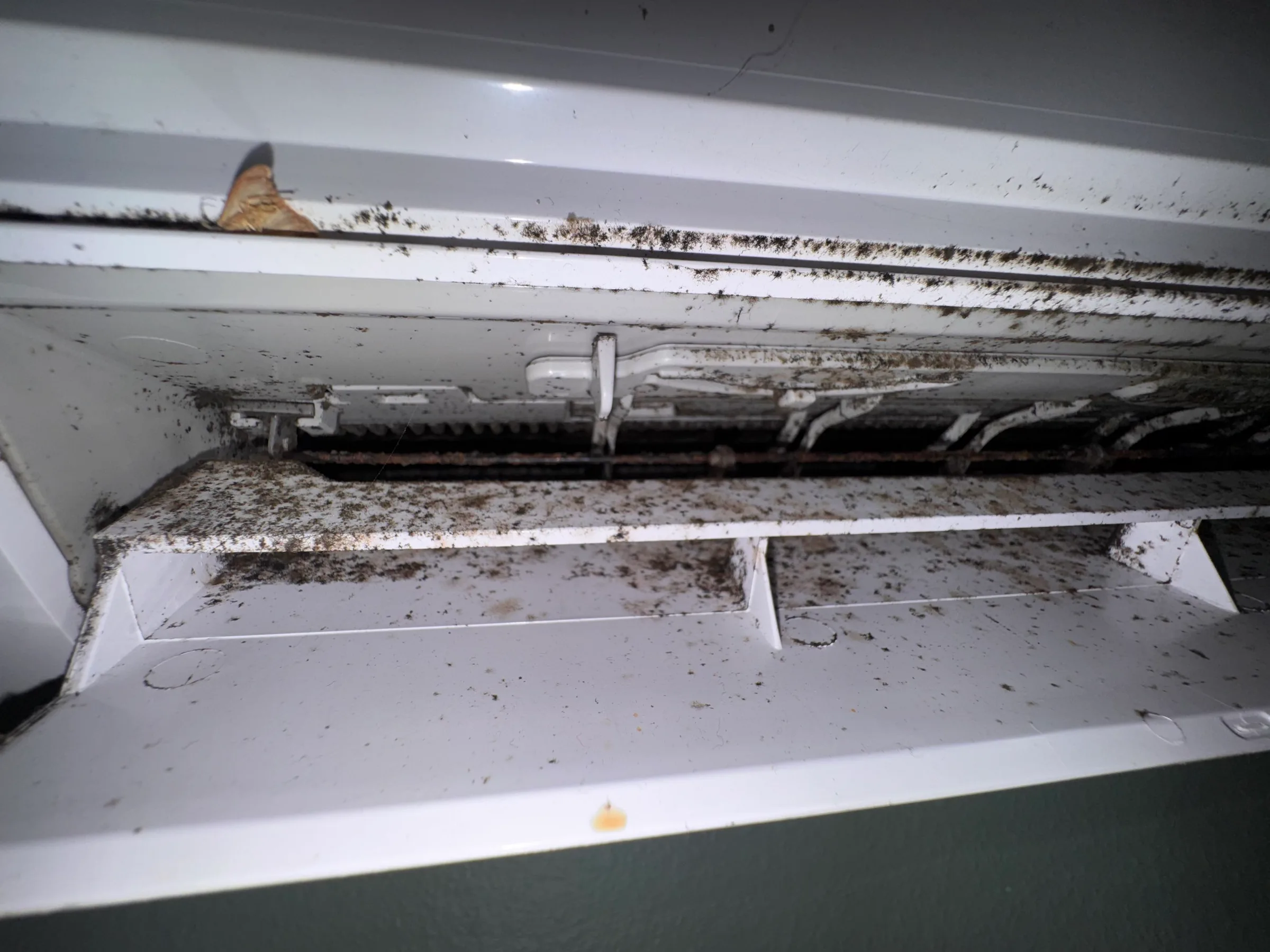
For many Galveston homes, ductless mini-splits solve two problems at once: they provide efficient cooling without the ductwork that causes so many humidity and mold issues in Gulf Coast homes, and they let you add air conditioning to spaces where running ducts is impractical or impossible. But on the coast, choosing the right equipment and installation approach matters more than it does inland, because a standard mini-split that works fine in San Antonio will corrode and fail years early in Galveston's salt air.
Why Mini-Splits Make Sense on the Gulf Coast
Traditional ducted AC systems push cooled air through ductwork, usually routed through your attic. Galveston attics get extremely hot in summer, and ducts running through them lose cooling capacity before the air reaches your rooms. Worse, the temperature difference between the cold air inside the duct and the hot, humid attic creates condensation on the outside of the duct, which drips onto insulation, drywall, and framing, feeding mold growth above your ceiling.
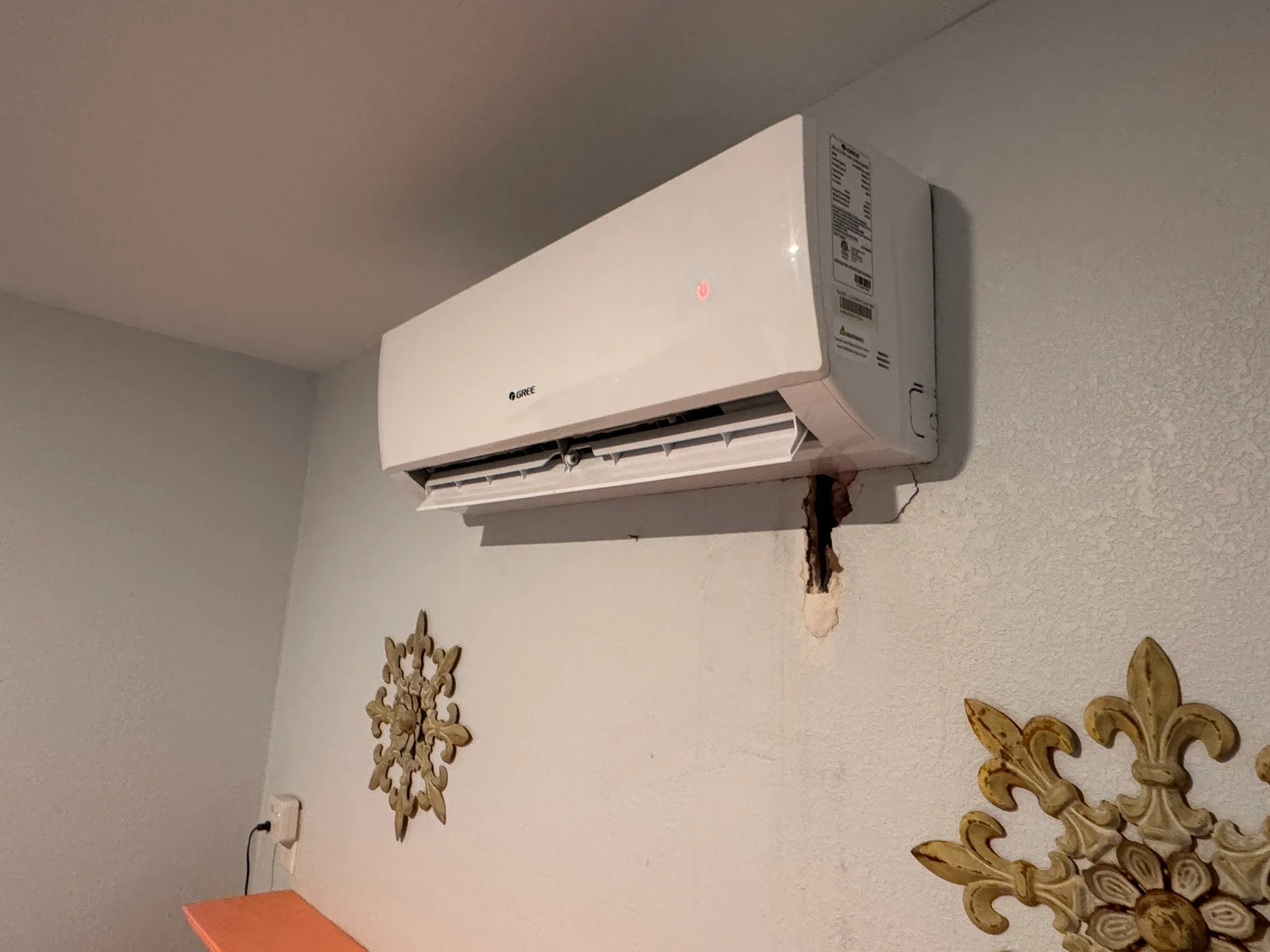
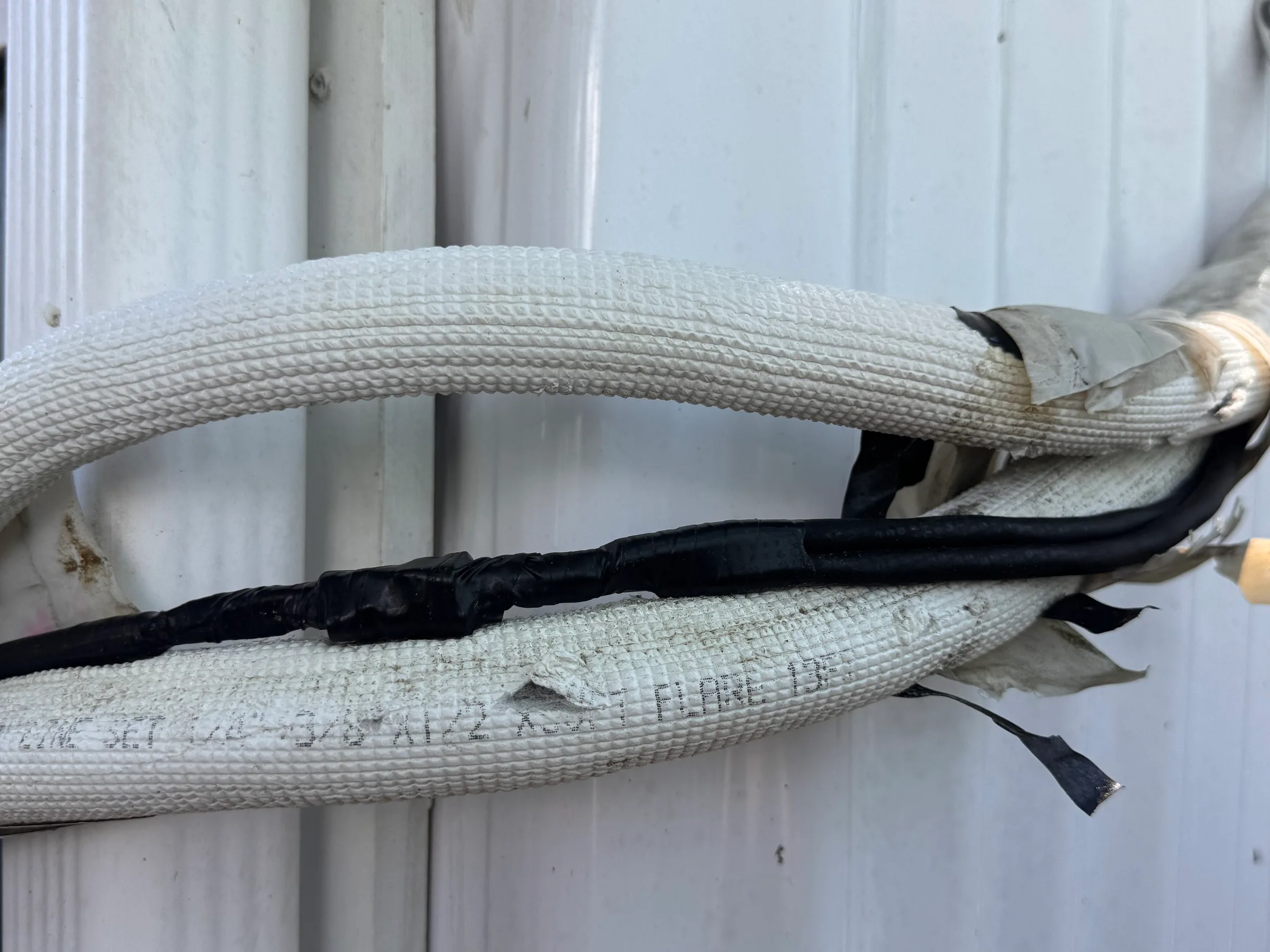
Ductless mini-splits bypass all of this. A small outdoor compressor connects to one or more indoor wall-mounted units through a narrow conduit carrying refrigerant lines, power, and condensate drainage. No attic ductwork. No condensation dripping in hidden spaces. No cooling lost to a hot attic.
Many Galveston Island homes were built before central air conditioning was standard. These older homes (the historic raised cottages, the pier-and-beam Victorians, the small beach bungalows) either have no ductwork at all or have ductwork that was retrofitted poorly and leaks at every joint. Adding proper ductwork to these homes means tearing into walls and ceilings, often at a cost of $3,000-$8,000 just for the duct installation before you even buy the AC equipment. Mini-splits avoid that entire expense and disruption.
Corrosion-Rated Outdoor Units: Non-Negotiable on the Coast
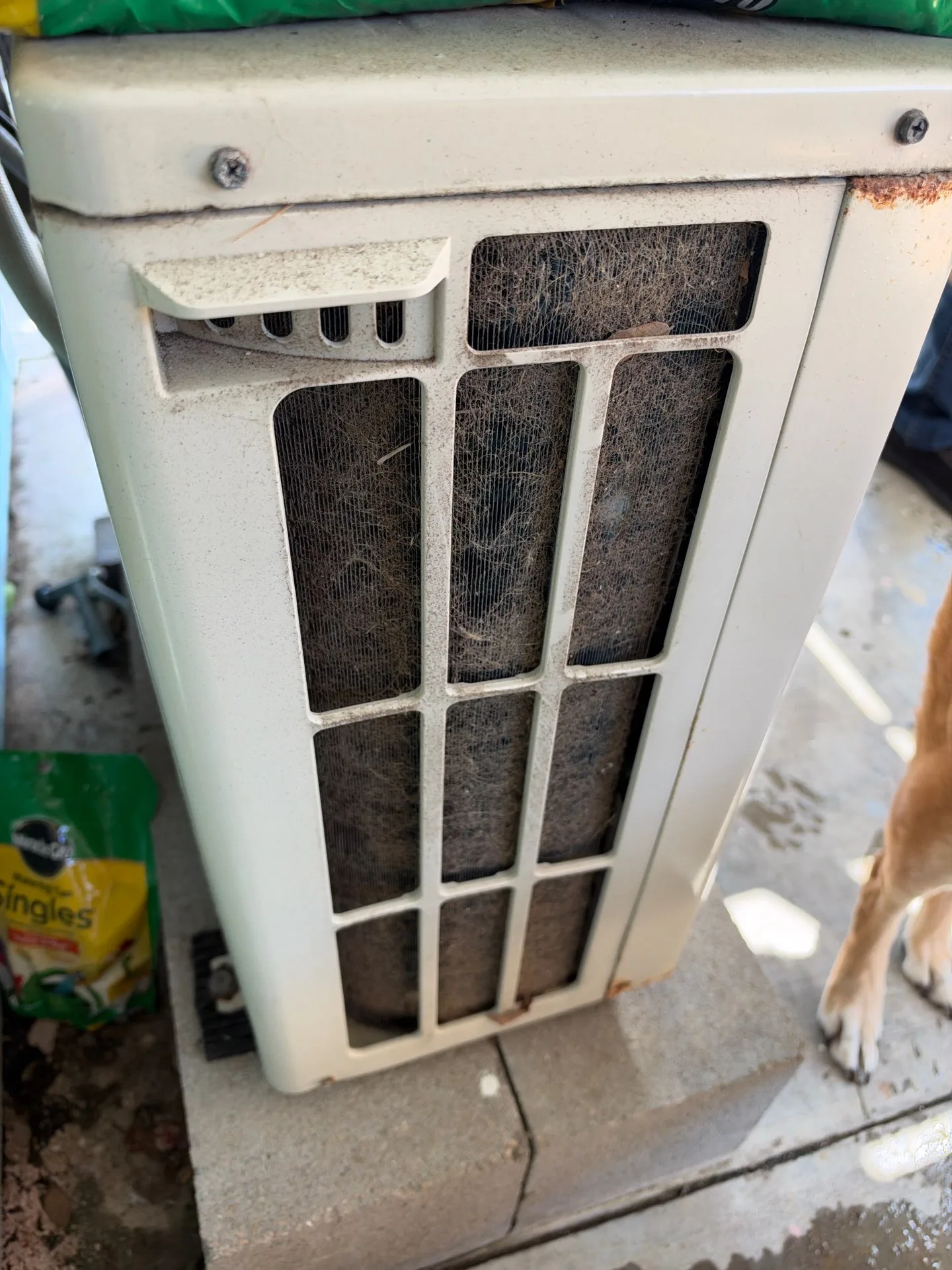
This is where coastal installation differs from everywhere else. The outdoor compressor unit sits in direct exposure to salt air. Standard mini-split outdoor units use aluminum fins and uncoated steel cabinets that corrode rapidly close to the Gulf, and a badly corroded coil can lose a large share of its capacity.
We install corrosion-rated outdoor units with factory-applied coil coatings (such as Blue Fin or Gold Fin treatments), stainless steel or coated hardware, and marine-grade cabinet finishes. These units cost $300-$800 more than standard models but hold up much better in our environment. For properties right on the beach or seawall, we also use elevated mounting to keep the unit out of standing water and wind baffles to cut down on wind-driven salt spray.
Single-Zone vs. Multi-Zone Systems
A single-zone mini-split connects one outdoor unit to one indoor unit. It's the right choice for adding AC to a single room: a garage conversion, a sunroom, a home office, or a bedroom addition. Single-zone installations in Galveston typically run $3,000-$5,500 installed with corrosion-rated equipment.
Multi-zone systems connect one outdoor unit to two, three, four, or even five indoor units, each independently controlled. This is where mini-splits really earn their keep in Gulf Coast homes. You can cool different rooms to different temperatures, avoiding the "overcool the whole house to make one room comfortable" problem. A multi-zone system for a 3-bedroom home typically runs $8,000-$15,000 installed.
Humidity Control With Inverter Technology
Modern mini-splits use inverter compressor technology, which adjusts compressor speed continuously rather than cycling on and off. This matters enormously in Galveston. An inverter mini-split running at low speed for extended periods removes more humidity than a standard system that blasts cold air and shuts off. You get steadier dehumidification without big temperature swings, and your home feels drier at the same thermostat setting.
Several mini-split models also include a "dry" mode that prioritizes dehumidification over cooling, running the system specifically to pull moisture from the air without overcooling the space. On mild, muggy Gulf Coast shoulder-season days, this mode keeps your home comfortable without making it cold.
Installation Process
Mini-split installation is less invasive than ducted systems. The indoor unit mounts on a wall, typically high near the ceiling for optimal air distribution. A 3-inch hole through the exterior wall accommodates the refrigerant lines, power cable, and condensate drain. The outdoor unit sits on a pad or wall bracket outside.
For Galveston installations, we pay special attention to condensate drainage routing. In our humidity, the indoor unit produces more condensate than in drier climates. We use properly sized drain lines with good fall and antimicrobial treatment to prevent the algae clogs that plague Gulf Coast systems. The wall penetration is sealed with weatherproof compounds to keep out wind-driven rain.
Most single-zone installations complete in a day. Multi-zone systems take 1-2 days depending on the number of indoor units and the routing complexity.
We provide estimates on ductless mini-split installations across Galveston, Texas City, League City, Dickinson, La Marque, and Santa Fe. Every installation uses corrosion-rated equipment selected specifically for your home's proximity to the water and exposure to prevailing Gulf winds.