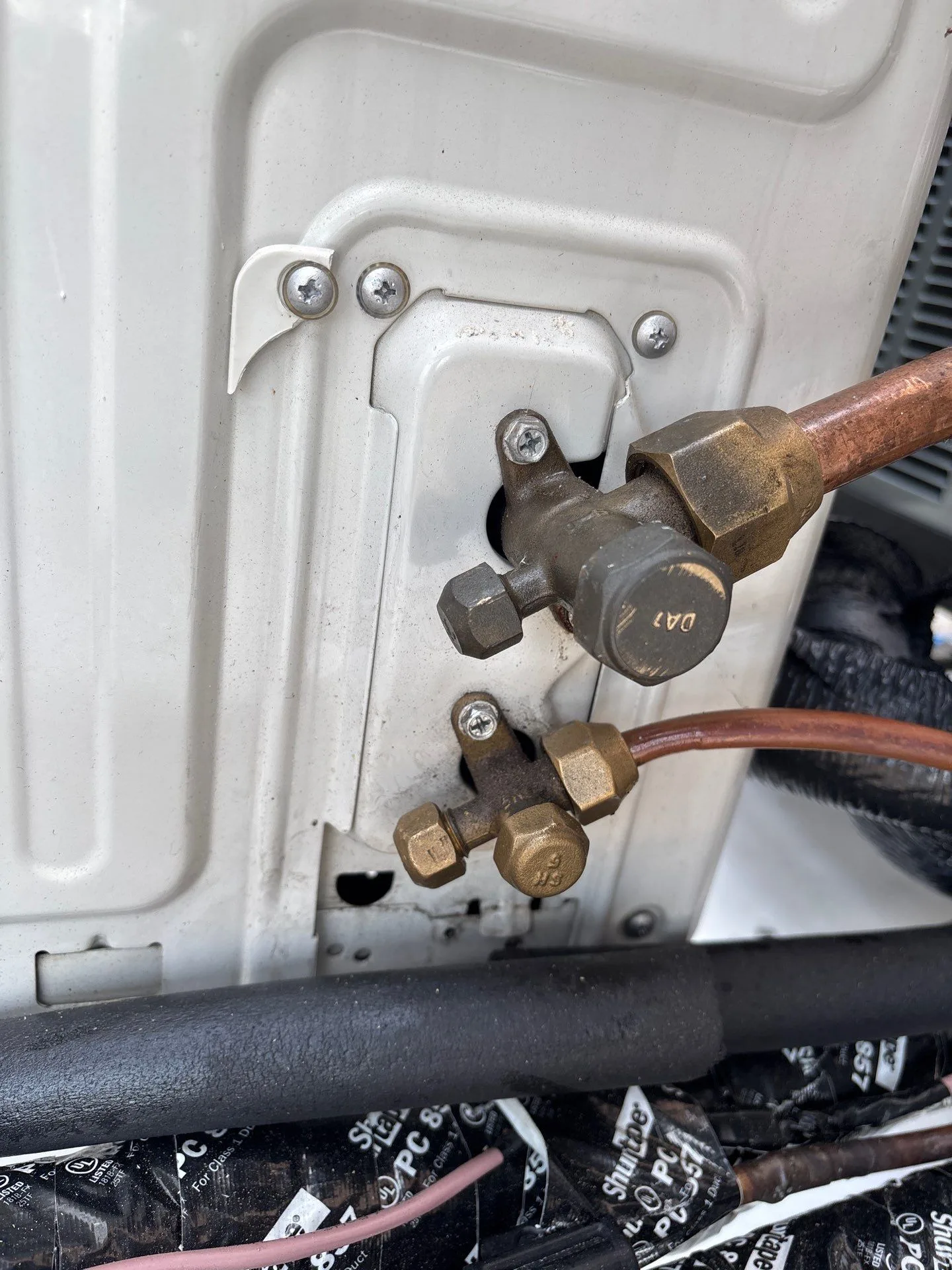
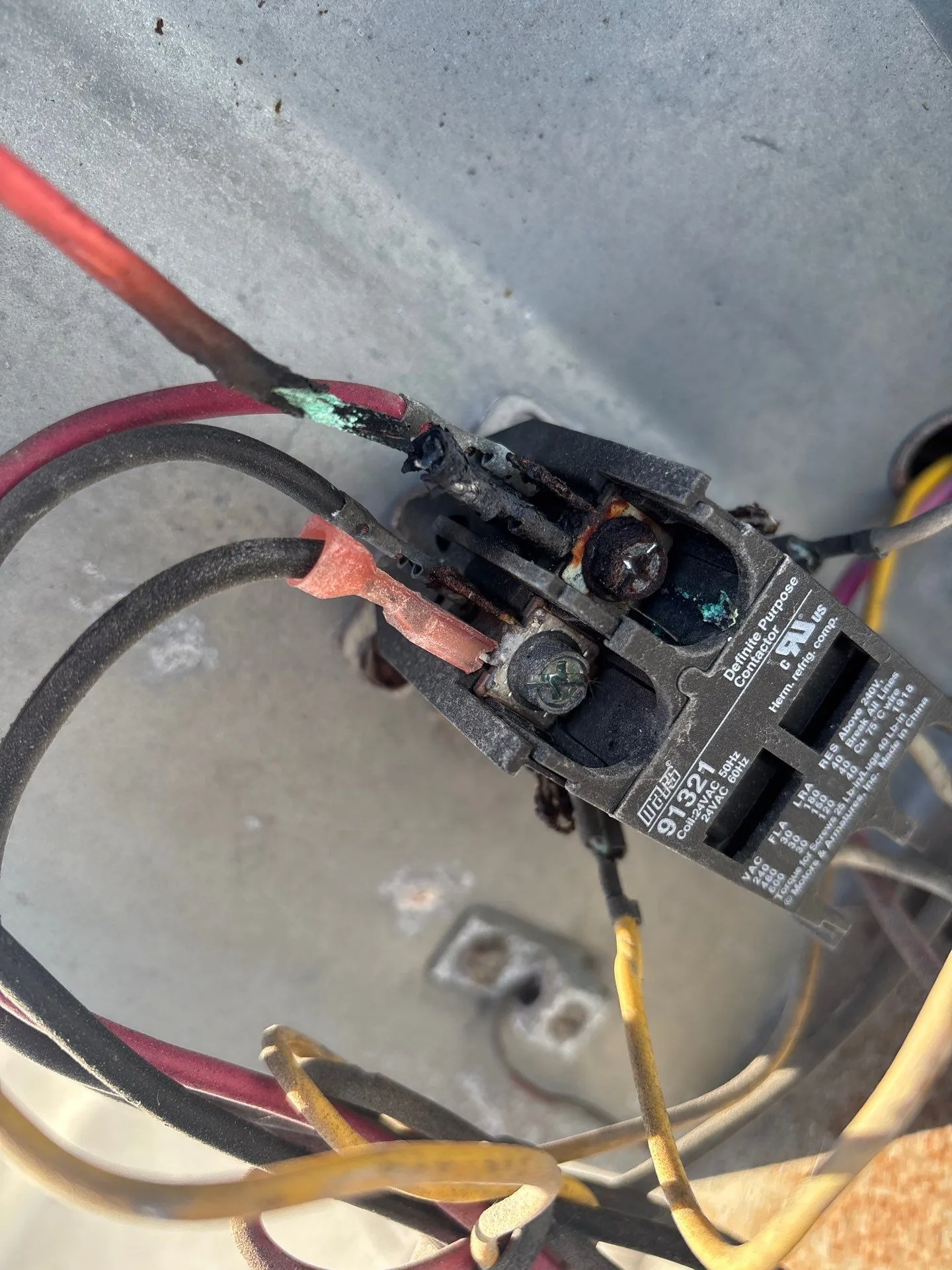
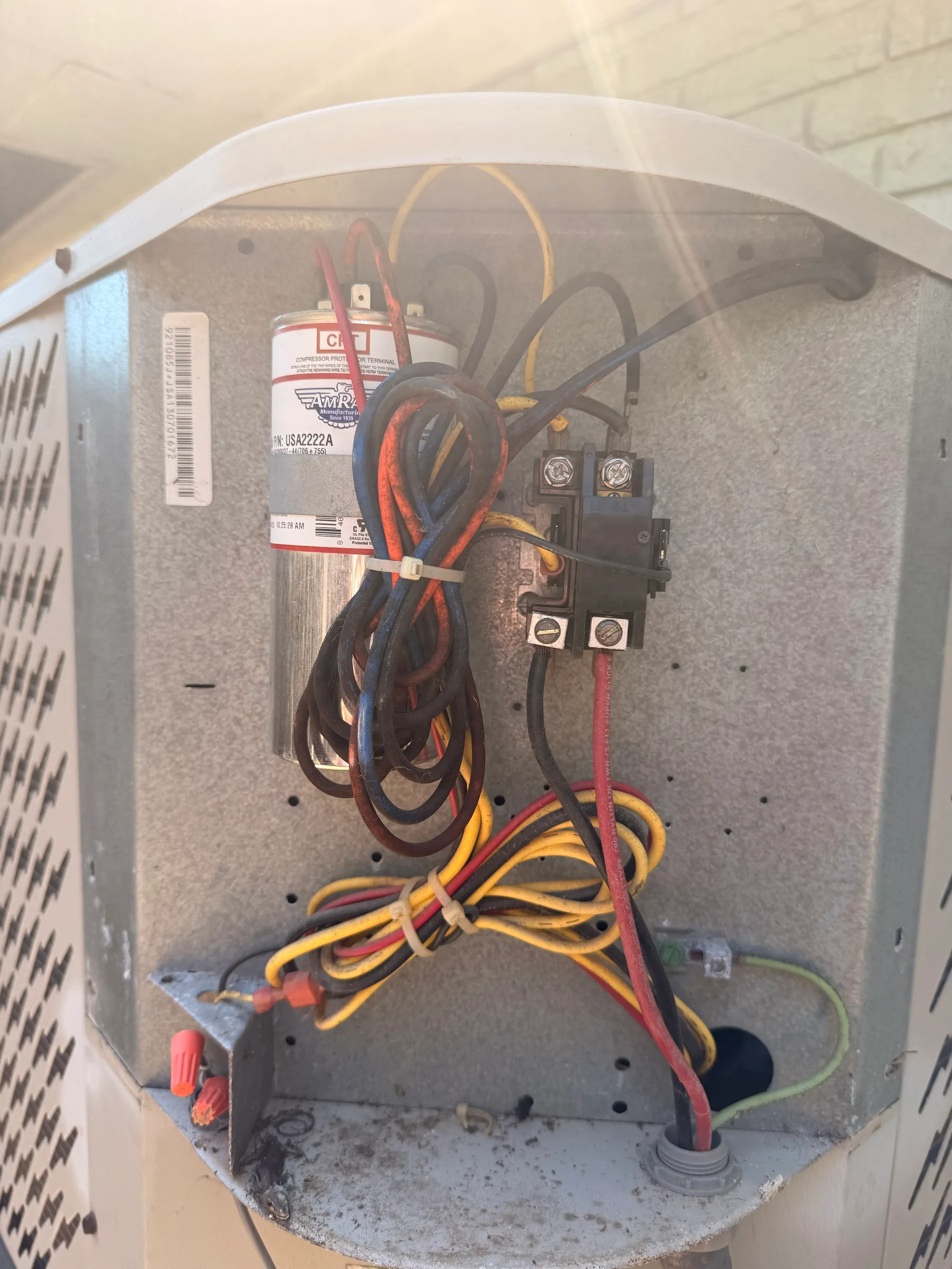
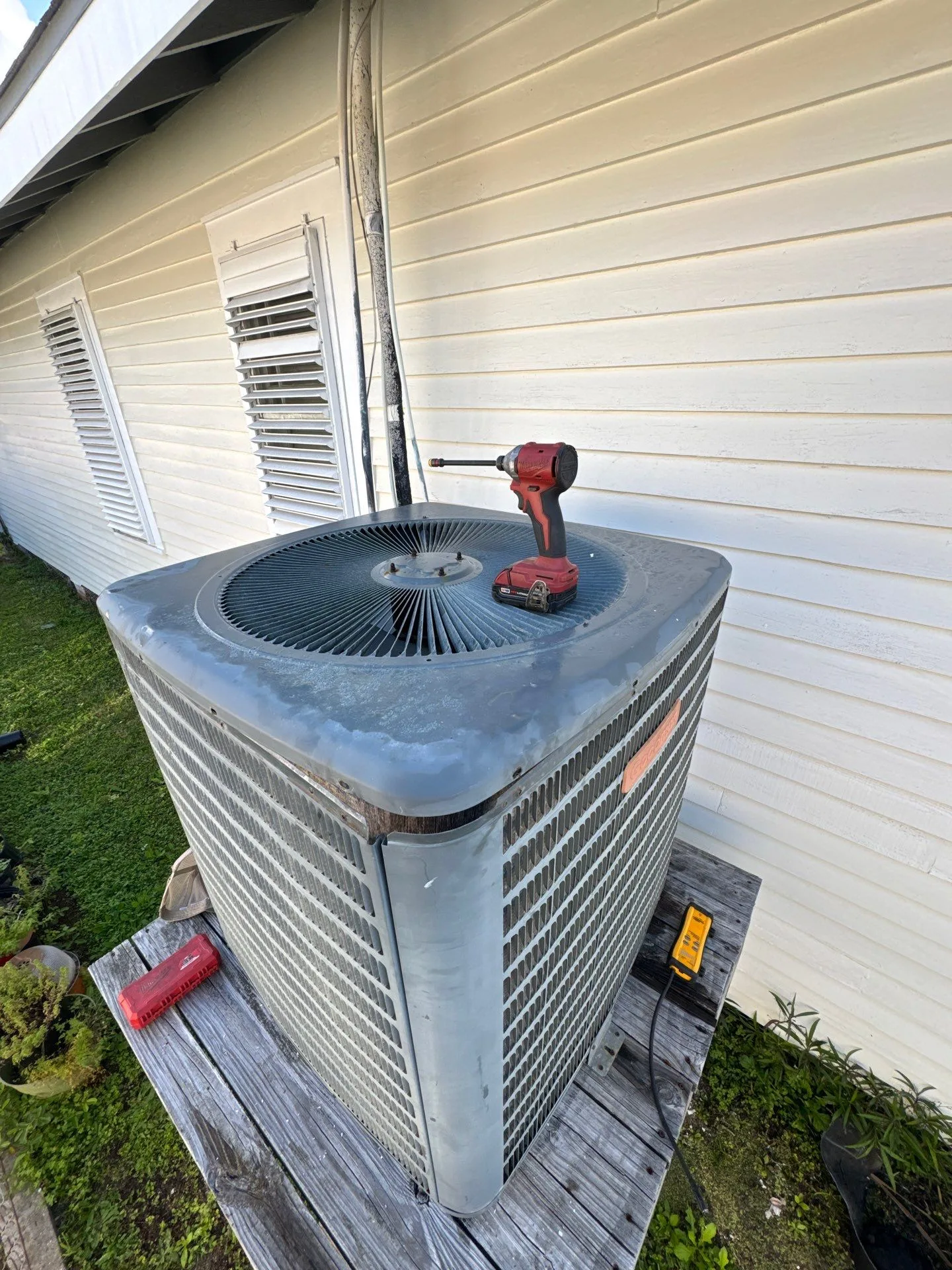
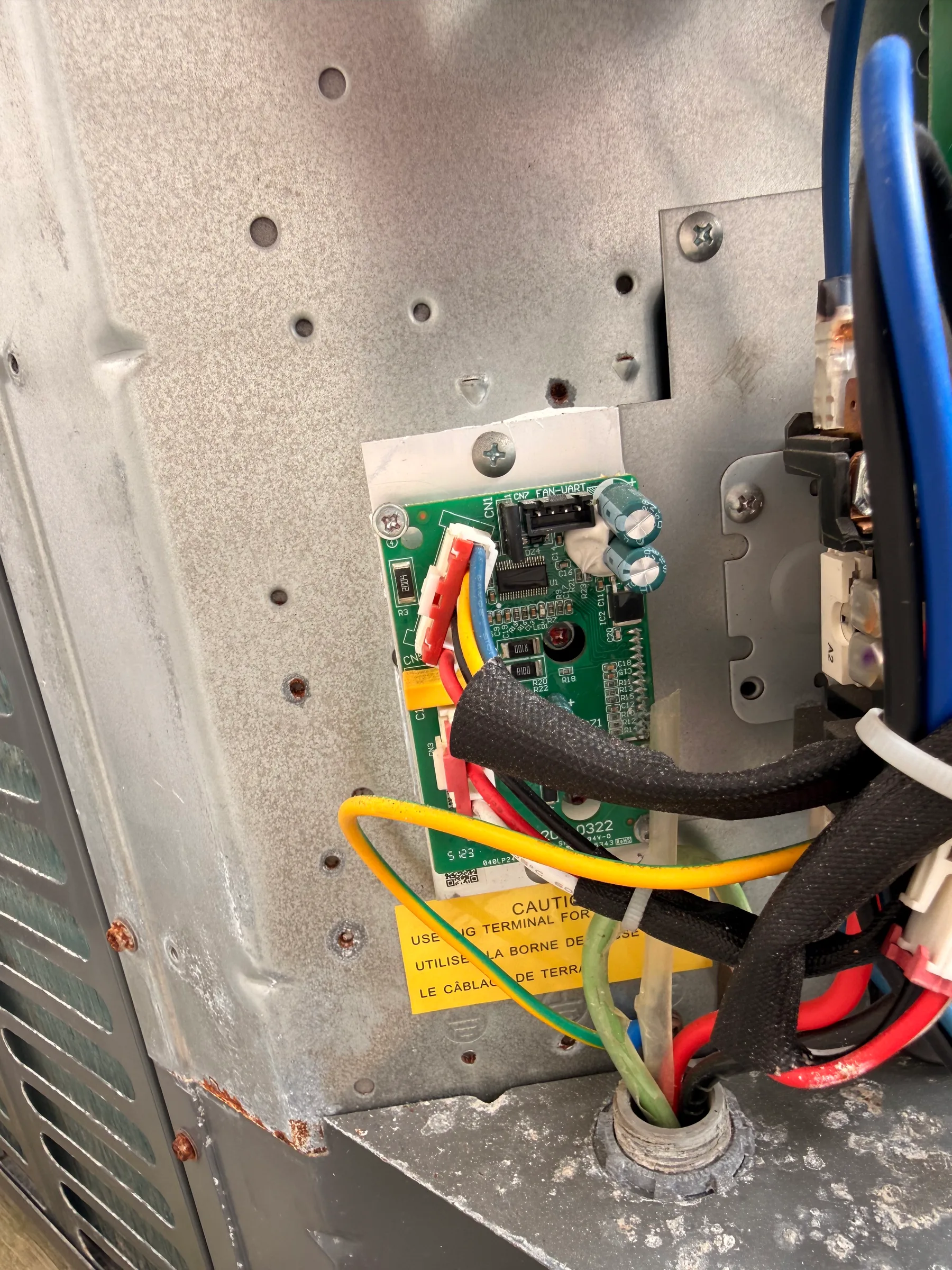
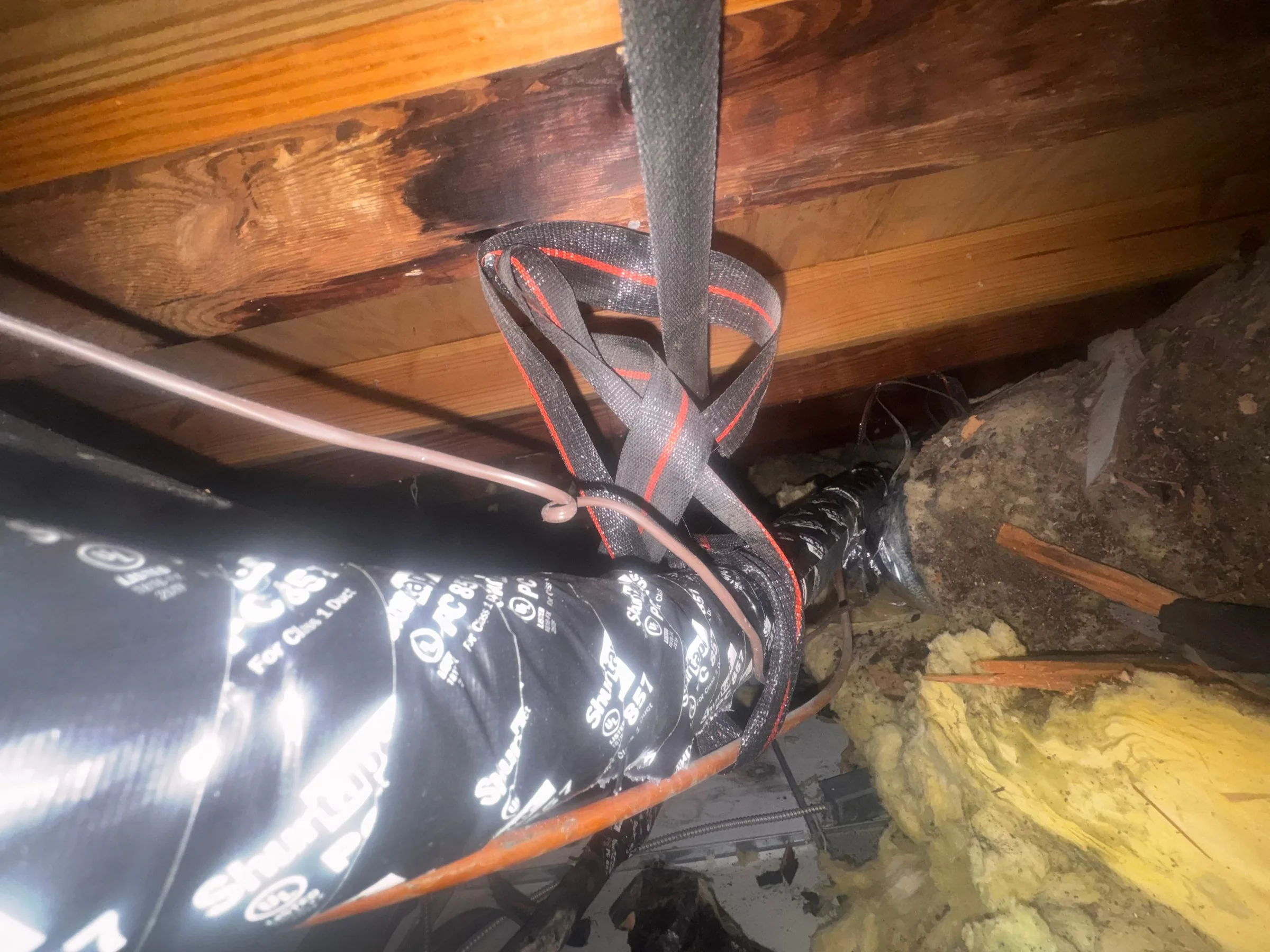
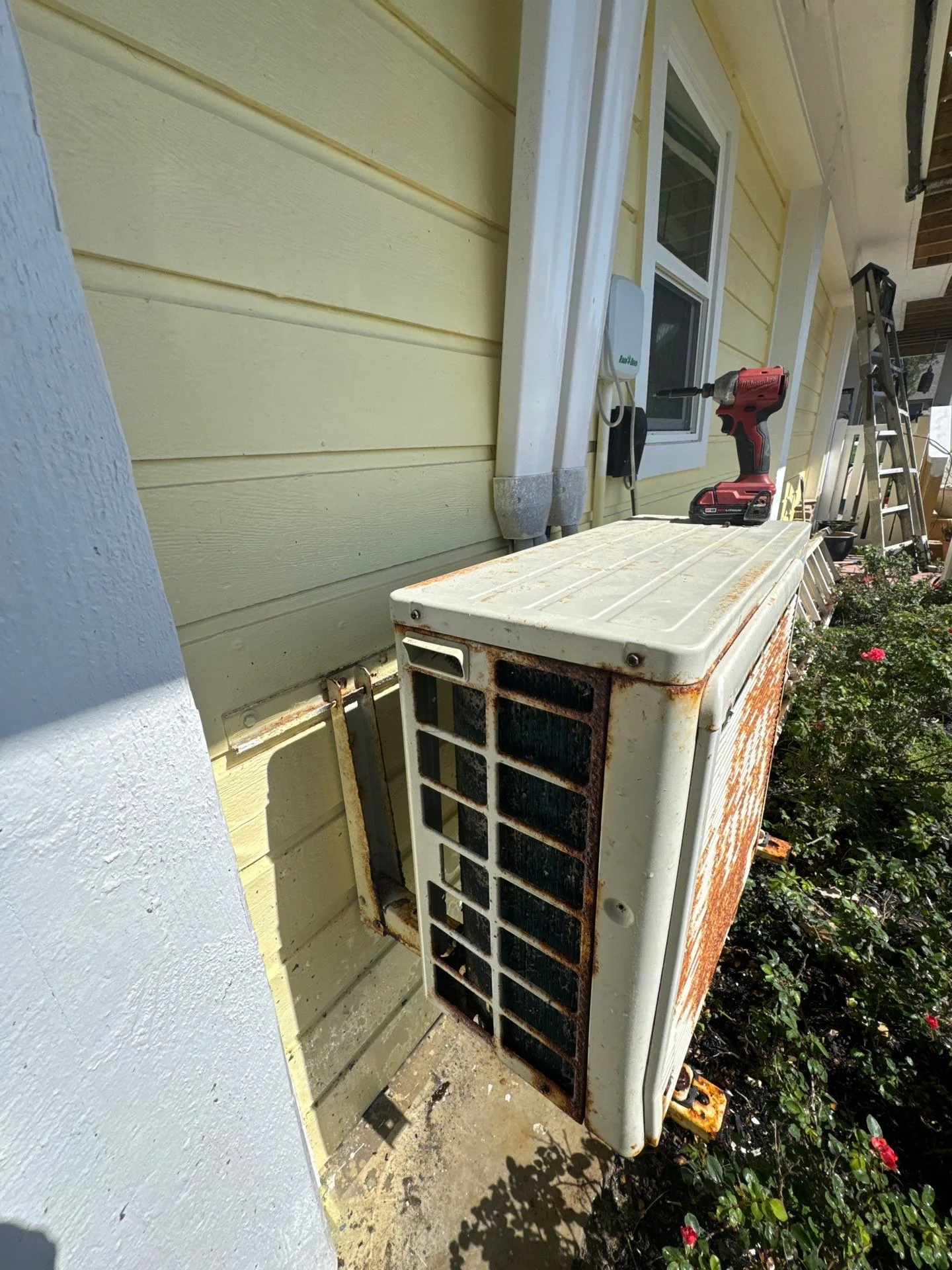
Furnace repair in Galveston usually comes down to one failed component: a furnace that runs but doesn't heat properly (or doesn't run at all) has almost always lost a part, and on the coast, that failure is often tied to corrosion. Gulf Coast humidity and salt air attack the internal components of furnaces during the nine months they sit idle from March through November. Relays oxidize. Sequencer contacts corrode. Heating elements develop hot spots and burn out. Control boards accumulate moisture on their circuit traces. When December rolls around and you flip the thermostat to heat, these weakened components show themselves. Coastal Eco Heating & Air diagnoses and repairs furnaces across Galveston Island, Texas City, League City, Dickinson, La Marque, and Santa Fe, with the parts and expertise to handle the salt-air damage that makes coastal furnace repair different from anything inland.
Electric Furnace Problems: What Galveston Homeowners See Most
The majority of Galveston homes with furnaces run electric systems. Electric furnaces are simpler than gas (no burners, no gas valve, no ignition system), but they have their own failure points that the coastal environment accelerates.
Sequencers are the most common failure. These relay-style components turn on your heating elements in stages so the system doesn't draw its full electrical load at once. Salt corrosion on the contact points causes sequencers to stick open (elements won't heat) or stick closed (elements won't turn off, a safety hazard). A furnace with a failed first-stage sequencer blows cold air. A furnace with a failed second-stage sequencer heats, but weakly.
Heating elements themselves burn out, especially after years of sitting idle in humid conditions. A typical electric furnace has two to five elements. Losing one drops your heating capacity by 20 to 50 percent: the system runs but can't reach the thermostat setting.
Blower motors and capacitors also fail from corrosion. If your furnace makes a humming sound but no air comes out, the capacitor may have failed. If you hear nothing at all when the thermostat calls for heat, the control board or transformer may be the issue.
Gas Furnace Issues on the Gulf Coast
For homes with gas furnaces, the problems shift to the combustion side. Igniter failures are common: the hot surface igniter is a fragile ceramic component that can crack from thermal cycling or moisture exposure. A furnace that tries to start, clicks, and shuts down is usually an igniter problem.
Flame sensor rods build up an oxide coating over time and stop reading the flame properly, causing the gas valve to shut down as a safety measure. The furnace lights, runs for a few seconds, and shuts off, over and over. This is one of the most common gas furnace repair calls we see in Galveston.
Gas valve failures, cracked heat exchangers, and corroded flue connections also occur, though less frequently. A cracked heat exchanger is a safety issue (carbon monoxide risk) and typically means it's time for a replacement rather than a repair.
The First-Use Problem
Every December, we get a wave of calls from homeowners who turned on their heat for the first time and something isn't right. Burning smells (dust burning off idle elements, usually normal), no heat at all, strange sounds, or a system that cycles on and off rapidly. Nine months of coastal exposure takes a toll that doesn't show itself until the system is asked to perform.
This is exactly why we recommend a $129 heating tune-up in November before the first cold front. That inspection catches corroded sequencers, weak capacitors, dirty flame sensors, and cracked igniters before they become emergency repairs on a 35-degree night.
Same-Day and Emergency Repair
Coastal Eco provides same-day furnace repair for daytime calls and 24/7 emergency response when heat goes out overnight during a cold snap. Our trucks are stocked with the components that fail most often in coastal environments: sequencers, heating elements, capacitors, igniters, flame sensors, and control boards. Most repairs are completed on the first visit.
Call (409) 599-1948 to schedule a repair or book a $129 pre-season tune-up. We serve the entire Galveston County Gulf Coast corridor.