

Air Conditioning in Pearland
Stay cool with expert AC installation, repair, and maintenance. Fast diagnosis, upfront pricing, and systems built to last.
4 recent jobs
Coastal Eco Heating & Air has been proudly serving Pearland and surrounding areas for over 11 years. Fast, reliable service from certified technicians.
Professional service from licensed technicians who know Pearland
Stay cool with expert AC installation, repair, and maintenance. Fast diagnosis, upfront pricing, and systems built to last.
Reliable furnace and heating system repair, installation, and seasonal tune-ups to keep your home warm when it matters most.
Keep your business comfortable year-round with commercial heating, cooling, and ventilation solutions built for reliability and efficiency.
Repair, installation, and maintenance for commercial and residential refrigeration equipment, including ice machines, walk-in coolers, and freezers.
Real local jobs from our technicians. Click a pin to see the story.
As locals, we understand the unique challenges and requirements specific to Pearland.
Our technicians work in Pearland and come to your home or business for service calls.
We have built our reputation serving Pearland families for over 11 years.
11+ years serving Pearland means faster diagnosis, accurate recommendations, and lasting results.
Zip codes we serve
77581, 77584, 77089
Neighborhoods we serve
Shadow Creek Ranch, Silverlake, Southern Trails, Riverstone Ranch, Country Place, Lakes of Highland Glen, Southdown, Pine Hollow, Old Townsite, West Oaks Village

Sep 1, 2026 · 7 min read
August took us across Galveston, Tiki Island, Texas City, Pearland, League City, and Friendswood for 99 jobs, and about two thirds of them were diagnostics. Here is what that mix says about how buildings and equipment behave on 100 degree days, and what it is worth checking on your own system.
Read article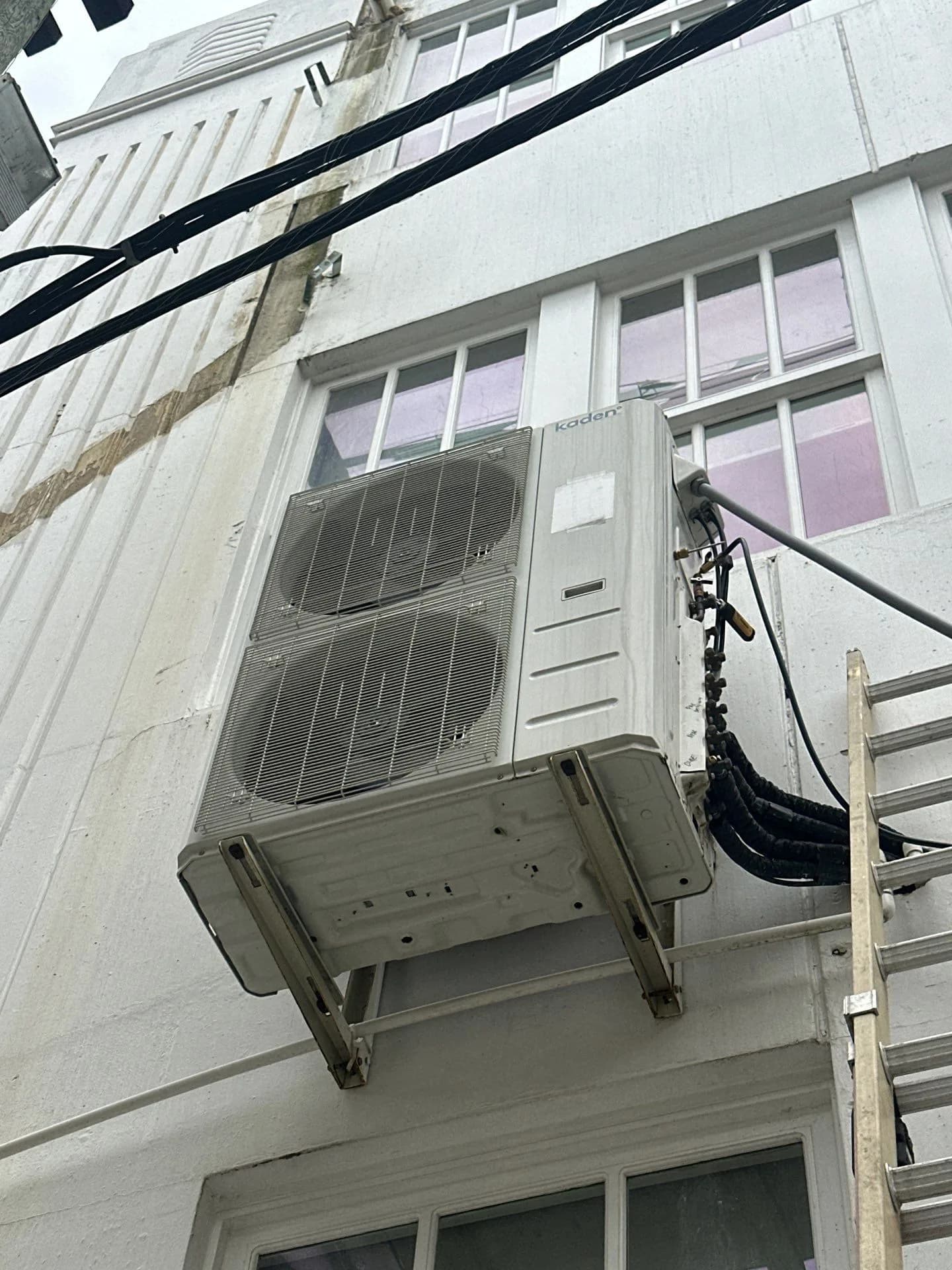
May 17, 2026 · 6 min read
A slice of the commercial HVAC service we ran between early April and mid-May 2026: 8 cases across Galveston, Friendswood, Tiki Island, and Pearland that surface the patterns we keep seeing in commercial systems along the Gulf Coast.
Read article
Oct 2, 2026 · 8 min read
September 2026 in review: we completed 109 jobs across Galveston Bay, and most of them were diagnostic and repair calls. Here is what that says about the season and what to watch next.
Read articleCommon questions from Pearland customers about HVAC, commercial, and refrigeration services.
Pearland's expansive clay soils cycle with wet and dry seasons, which can crack slabs and disrupt slab-mounted ductwork, a problem older east-side neighborhoods see more frequently than newer west-side master-planned communities. On top of that, roughly 60% of Pearland's housing stock was built between 2000 and 2019, meaning a concentrated wave of original builder-grade systems is now hitting end-of-life across Shadow Creek Ranch, Silverlake, Southdown, and Riverstone Ranch at the same time.
Pearland's highly expansive clay shifts as soil moisture changes through the year. That movement transfers into slabs, which can crack and disrupt slab-embedded ductwork, leading to air leaks, slope problems on condensate drains, and stress on air-handler mounting. We inspect duct integrity and condensate routing as a standard part of any Pearland diagnostic, and recommend full duct testing on any home over 25 years old.
Yes. The City of Pearland requires mechanical permits for HVAC installations and major repairs. Because Pearland straddles Brazoria and Harris counties (and a sliver of Fort Bend), the exact permitting authority depends on where in the city your home is located. We handle all permitting on your behalf regardless of which jurisdiction applies.
Yes, we provide 24/7 emergency HVAC service throughout Pearland, including Shadow Creek Ranch, Silverlake, Old Townsite, and the Hwy 288 corridor. Pearland summer temperatures regularly exceed 95°F with humidity over 70%, which makes an AC failure a serious health concern for elderly residents, young children, and households with medical equipment. Our technicians respond quickly to restore cooling.
Yes. The Pearland Town Center, Shadow Creek Town Center, and Pearland Medical Center corridor has significant light-commercial HVAC demand: retail strips, urgent care, dental practices, small offices, and restaurants. We service commercial rooftop units, ductless systems, server room cooling, and VRF systems, and we offer preventive maintenance contracts that include after-hours dispatch to avoid disrupting business operations.
Schedule AC maintenance in February or early March before Pearland's long cooling season begins. The Gulf Coast heat arrives early and runs through October, so a pre-season tune-up catches issues before the system is under full load. A second check in October catches any wear from the summer months and prepares your heating system for the mild but occasionally cold winter.
Pearland's hot-humid 2A climate zone rewards high-SEER heat pump systems with variable-speed compressors: they handle humidity better at partial capacity than single-stage units, which matters during Pearland's long shoulder seasons. For newer tightly-built homes in Shadow Creek Ranch, Southern Trails, and Riverstone Ranch, properly-sized equipment is critical: oversizing causes short-cycling and humidity problems even with the AC running.
In addition to Pearland, we provide HVAC, commercial, and refrigeration services to these surrounding communities.
Licensed & Insured
Fully licensed and insured for your protection
24/7 Emergency
Available when you need us most
11+ Years
Over a decade of trusted service