Tiki Island, TX

System Inspections in Tiki Island, TX

Coastal Eco Heating & Air provides professional system inspections services to Tiki Island residents and businesses. Fast response, fair pricing, guaranteed satisfaction.

Licensed & Insured24/7 Emergency11+ Years
Step 1 of 2

What do you need?

Tap the closest match.

When works best? (optional)

Recent System Inspections Work in Tiki Island

Real jobs completed by our team in the Tiki Island area

Adrian Prado
G

Adrian & Gamaliel

August 2026

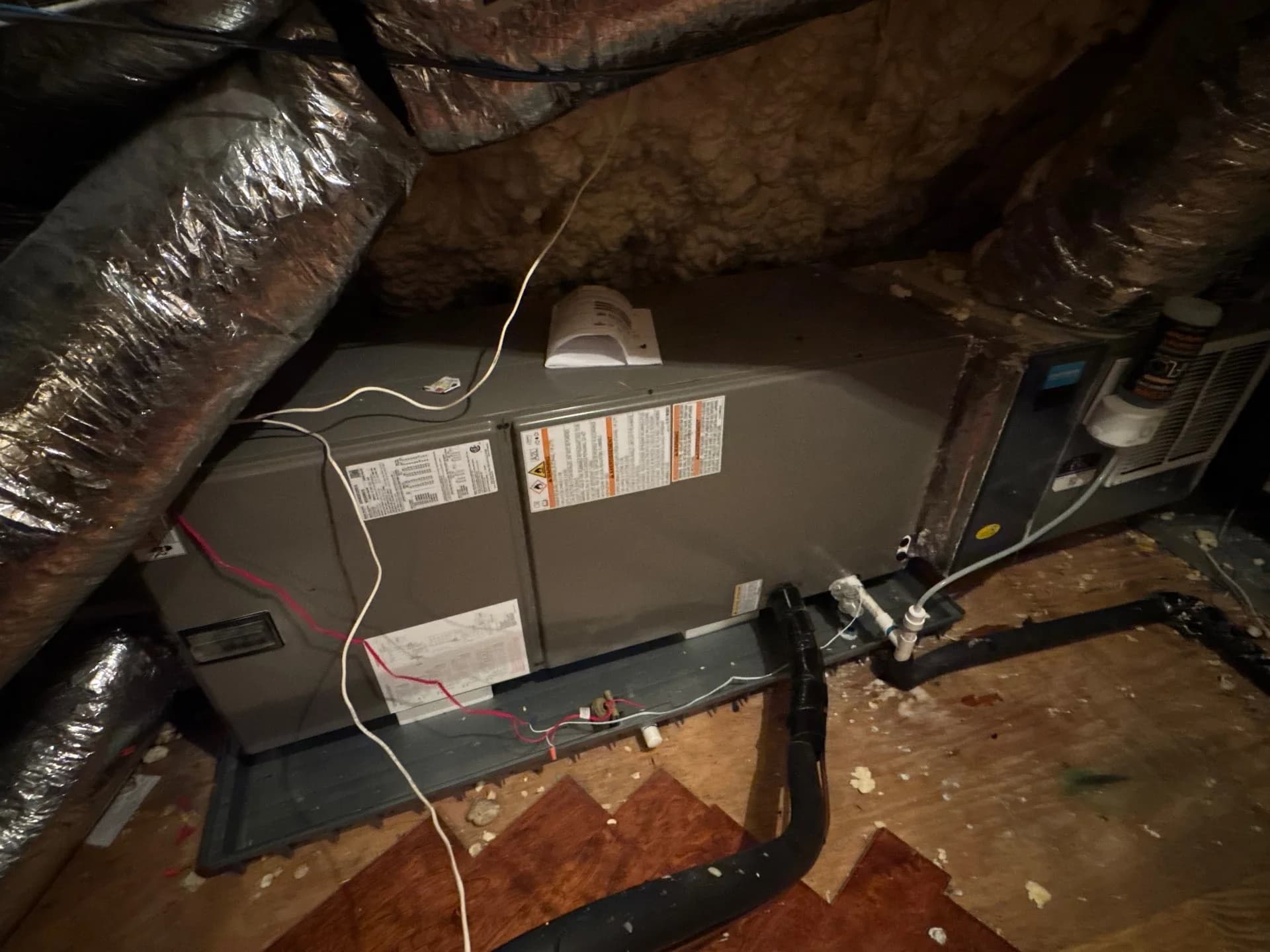
Second Floor Stopped Cooling in Tiki Island

What the customer reported

A Tiki Island homeowner reported that the 2nd floor was not cooling.

What we found and did

Adrian and Gamaliel found that the secondary float switch was tripped and the drain was a little backed up. They cleared each drainline in the attic.

B

Brandon

June 2026

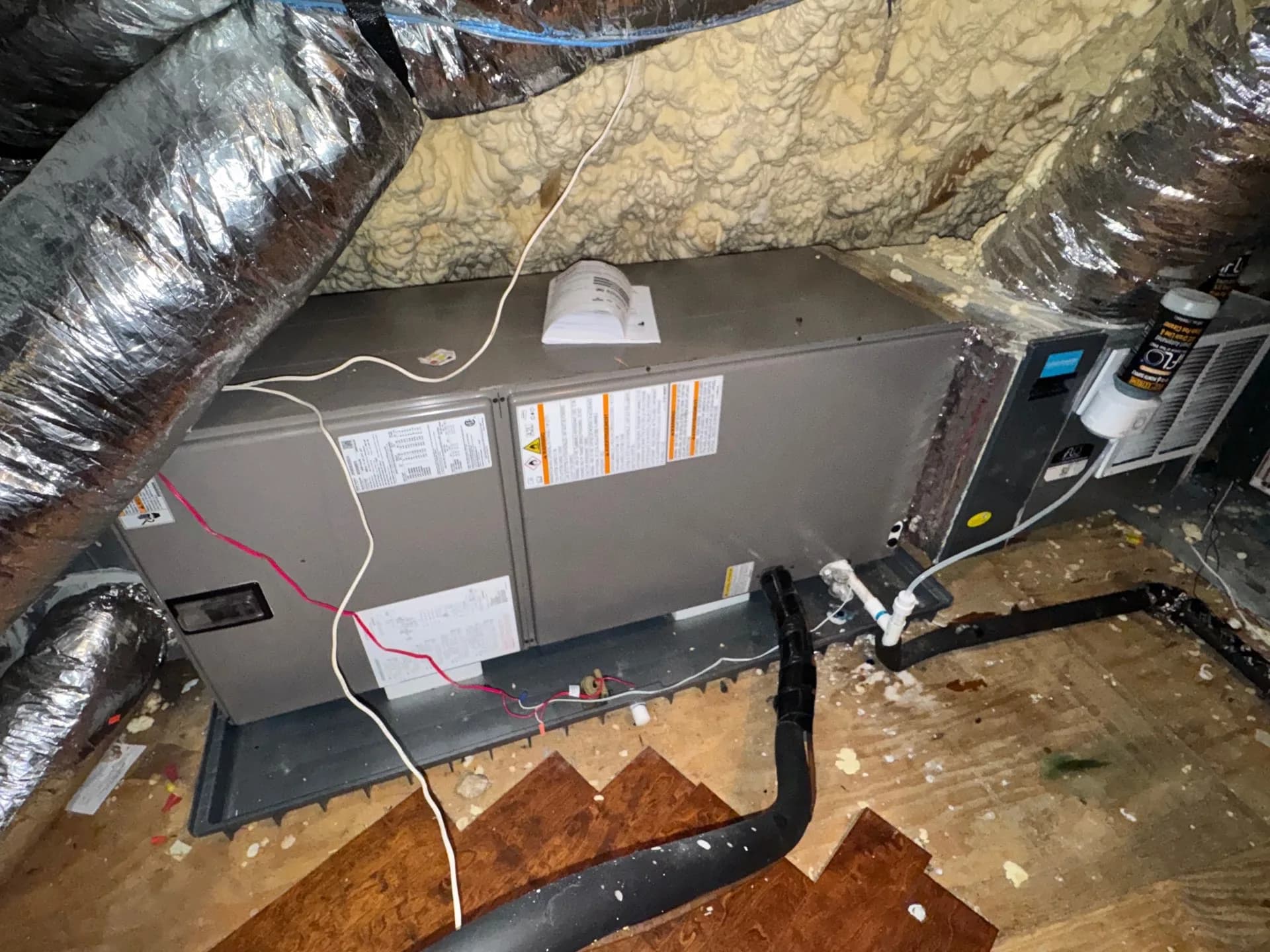
Why Is Water Coming Out of My AC Overflow Line in Tiki Island?

What the customer reported

A Tiki Island homeowner reported water coming out of the overflow line on their air conditioning system.

What we found and did

Brandon found that both units and their metal plenums were sweating because the attic dew point was at 70°, causing anything with a surface temperature of 70° or under to sweat. He confirmed that both unit drains were free and clear of debris and build up and draining satisfactorily. He then tested static pressure and verified it was within spec at a TESP of .44, equating to approximately 800 cfm, and tested psychrometrics on the system.

Result

Testing showed proper airflow, with the unit performing at rated capacity and cooling.

Local conditions

Why quality system inspections matters in Tiki Island

Direct Salt Air Exposure

Tiki Island's location in West Galveston Bay subjects HVAC equipment to relentless salt air from all directions. Outdoor units corrode at 2-3x the rate of inland locations, making coastal-rated equipment and quarterly maintenance non-negotiable.

Waterfront Humidity

Surrounded by bay water, Tiki Island experiences some of the highest humidity levels in the region. Standard AC systems cannot adequately control indoor moisture — whole-home dehumidifiers are strongly recommended for every Tiki Island property.

Hurricane Vulnerability

Tiki Island's low elevation and bay exposure make it highly susceptible to storm surge, wind damage, and power surges during hurricanes and tropical storms. HVAC systems need proper anchoring, elevation, and surge protection to survive storm season.

Small Island Access

Tiki Island's single-access bridge and small community mean HVAC service requires a provider familiar with the island. We know Tiki Island well and maintain the parts inventory and scheduling flexibility to serve island residents without delays.

FAQ

System Inspections in Tiki Island: questions answered

Answered by our licensed technicians serving Tiki Island.

What makes a coastal HVAC inspection different from a standard one?

A standard inland inspection checks refrigerant charge, electrical components, airflow, and mechanical operation. Our coastal inspection adds a full salt corrosion assessment (documenting corrosion stage at every metal surface), condensate and humidity evaluation (Gulf Coast systems produce two to four gallons of condensate daily), and storm damage assessment. An inspection that misses these coastal-specific items checks half the risks and ignores the half that actually kills equipment early.

How often should I have my HVAC system inspected in Galveston?

Quarterly for ongoing maintenance inspections. We also recommend a full inspection after any tropical storm or hurricane that affects Galveston County, even if your home and equipment appear undamaged. Hidden storm damage is one of the leading causes of premature system failure on the Gulf Coast. Systems that have gone more than six months without professional evaluation should be inspected as soon as possible.

What are the stages of salt corrosion on HVAC equipment?

Stage 1 is surface oxidation: white powder on aluminum, green patina on copper, surface rust on steel. Cleaning and treatment can halt it entirely. Stage 2 is active pitting: salt has penetrated beyond the surface, creating pinholes in fins and pits at copper joints. Targeted repair stops the spread. Stage 3 is structural degradation: fins are perforated, joints leak, hardware fails. Major component replacement is typically necessary at this point.

Should I get an inspection after a hurricane even if my system looks fine?

Yes. Debris can bend condenser fins on back and side surfaces not visible from outside. Salt water that reached the outdoor unit corrodes electrical components, the compressor, and the fan motor even after water recedes. Storm surge can shift the condenser pad, causing refrigerant oil pooling and compressor strain. Power surges damage control boards and capacitors with failures that may not appear for weeks.

How much does a coastal HVAC inspection cost?

Our comprehensive coastal inspection is $129 and includes the full salt corrosion assessment, condensate and humidity evaluation, storm damage check, and standard system performance testing. You receive a written report with photographs documenting every finding and clear recommendations prioritized by urgency. Maintenance plan members receive this as part of their quarterly schedule.

Schedule Your $125 Diagnostic

Step 1 of 2

What do you need?

Tap the closest match.

When works best? (optional)

Licensed & Insured

Fully licensed and insured for your protection

24/7 Emergency

Available when you need us most

11+ Years

Over a decade of trusted service

ScheduleCall now